
Surface engineering for demanding service
Wear & Hardfacing
Abrasive particles, high-velocity slurry and harsh operating conditions can shorten the life of critical components. PartsMake helps industrial teams select and integrate wear-resistant surface treatments for deep-well drilling, mining and desert material-handling applications.
From high-phosphorus electroless nickel to HVOF tungsten carbide and hard chrome, the right coating depends on the substrate, wear mechanism, component geometry and service environment. We focus on hardness, erosion resistance, coating coverage and adhesion as part of a fit-for-purpose component specification.
Wear protection priorities
-
01
Abrasive wear
Reduce material loss from sand, cuttings, ore and other hard particles.
-
02
Erosive service
Consider particle velocity, impact angle and fluid conditions—not hardness alone.
-
03
Coating integrity
Specify preparation, coverage and adhesion to suit the component and duty cycle.
Three coating routes
Match the coating to the wear mechanism
These options address different combinations of abrasion, erosion, corrosion and geometry. Values below are indicative; the final result depends on the coating specification, substrate, preparation and verification method.
High-phosphorus electroless nickel
A chemical deposition process that can coat complex shapes and recessed features with a consistent layer, subject to bath access and part design. High-phosphorus ENP also offers corrosion protection in suitable environments.
Hardness: typically 450–600 HV as deposited
Post-deposition heat treatment can raise hardness, in some specifications to around 900–1,100 HV. Confirm substrate compatibility, dimensional allowance and heat-treatment effects before selection.
Consider for: valve components, precision parts, housings and components where coverage of intricate features matters.
Tungsten carbide HVOF
High Velocity Oxy-Fuel spraying deposits carbide-based coatings at high particle velocity. Properly specified tungsten carbide systems can provide high hardness, strong coating-to-substrate adhesion and resistance to abrasive and erosive wear.
Hardness: commonly above 1,000 HV
The coating grade and test method affect reported values. Surface preparation, spray parameters and coating finish are critical to adhesion and service performance.
Consider for: drilling and downhole components, pump wear surfaces, mining equipment and high-wear sleeves.
Hard chromium plating
A proven surface treatment for selected components requiring hardness, wear resistance and a finished sliding surface. Grinding or polishing after plating may be required to meet the final diameter and surface finish.
Hardness: often around 800–1,100 HV
Results vary by deposit and measurement. Consider coating thickness, fatigue sensitivity, hydrogen embrittlement risk on high-strength steels and applicable environmental controls.
Consider for: hydraulic rods, shafts and repair or refurbishment of compatible components.
Engineering selection
Hardness is only one part of performance
The best coating is the one that addresses the actual failure mode without compromising the part. We take application conditions and manufacturing constraints into account before a specification is confirmed.
For deep-well drilling, mine processing and desert conveying, particle size, impact angle, operating temperature, corrosion exposure and maintenance intervals can all influence coating choice.
Substrate compatibility
Review the base material, heat-treatment condition, dimensions and any risk of distortion or thermal impact.
Coverage and geometry
Confirm access to internal passages, masking boundaries, edge coverage and any areas requiring post-coating machining.
Adhesion and preparation
A clean, correctly prepared substrate and controlled process are essential to coating bond strength and dependable service.
Finish and inspection
Specify final dimensions, surface finish, hardness test method and inspection records in line with the part’s function.
Application overview
Designed around tough regional duty
PartsMake supports precision component manufacturing and coating selection for equipment exposed to abrasive solids, process fluids and demanding operating cycles across the Middle East and GCC.
Deep-well drilling & production
Protect high-wear interfaces
Evaluate carbide coatings and other suitable treatments for sleeves, shafts, valve components and downhole parts exposed to cuttings, slurry and repeated contact.
Mining & mineral processing
Manage particle-driven wear
Match coating properties to impact and sliding abrasion on components used in crushing, conveying, screening and slurry handling.
Desert conveying systems
Address sand erosion
Assess elbows, transition sections, impellers and other exposed surfaces for particle velocity, flow direction and maintainability.
From drawing to finished component
A specification-led manufacturing workflow
Coating performance depends on the complete component process. PartsMake can align precision machining, surface-treatment requirements and inspection documentation around your drawing and operating needs.
- 01
Review the duty: identify wear type, material, operating conditions and the expected service life.
- 02
Define the coating: agree system, coverage, thickness, final finish and dimensional allowances.
- 03
Verify the result: confirm applicable inspection and material traceability records for the order.
Have a wear-critical component?
Share the drawing and operating conditions.
Discuss substrate, abrasive exposure, dimensions and inspection needs with PartsMake to help define a suitable manufacturing and coating route.
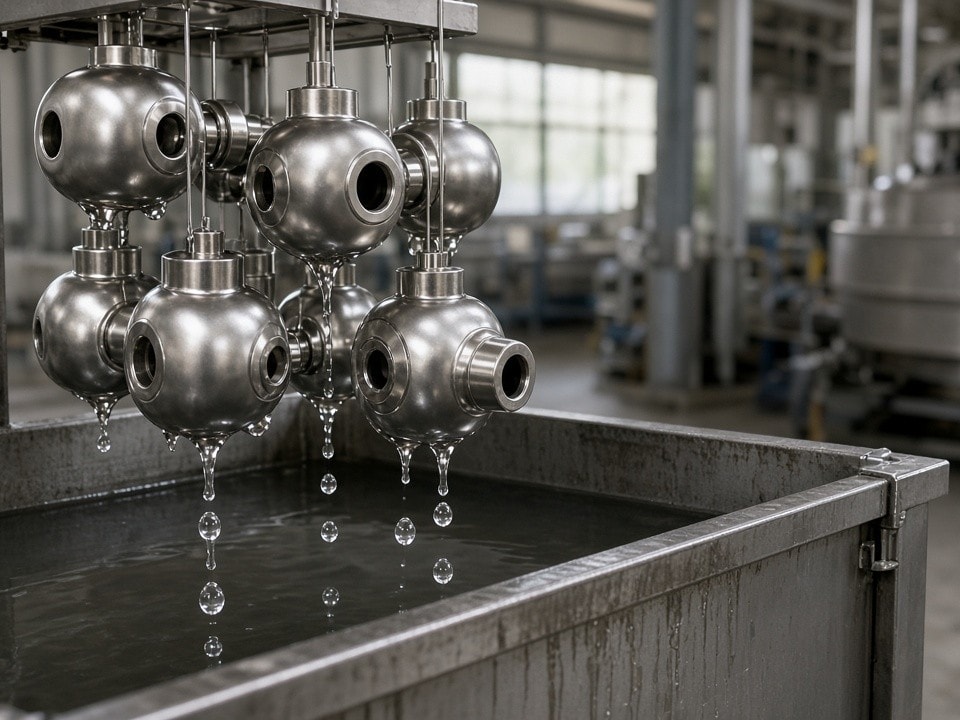
Electroless Nickel Plating (ENP) for Oil & Gas Components in the GCC
High-phosphorus ENP coating services delivering uniform coverage on complex parts and sour-service resistance. Fast turnaround for valve and pump components across Saudi Arabia and UAE.
View details →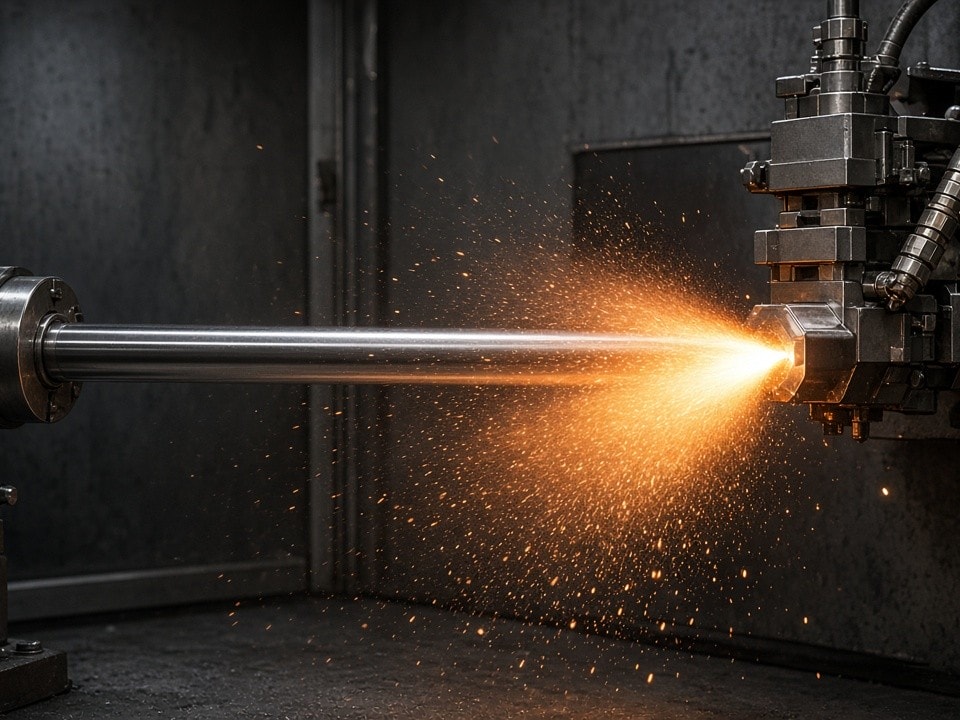
Hard Chrome & HVOF Thermal Spray Coating Services for GCC Industrial Hydraulics
Precision surface finishing for extreme GCC environments. We provide Hard Chrome and HVOF coating for hydraulic cylinders and valve components with 3.1 certification.
View details →