
Materials expertise for demanding environments
Superalloys & High-Nickel Metals
PartsMake helps Gulf-region engineering teams turn difficult-to-machine alloys into dependable, drawing-compliant components. From Inconel and Hastelloy to Monel and titanium, our machining and verification capabilities support high-temperature, high-pressure and corrosive-service applications.
Alloy families
Capability for demanding metals
These materials can retain strength at temperature and resist aggressive service conditions, but their low thermal conductivity, strength and work-hardening behaviour call for a deliberate process plan.
01 · Nickel-chromium alloys
Inconel 625 / 718
For high-strength components exposed to elevated temperatures and demanding process conditions. Machining plans account for heat concentration and work-hardening risk.
Typical parts: valve components, turbine features and downhole instrumentation.
02 · Corrosion-resistant alloys
Hastelloy C276
A high-nickel alloy used where corrosion resistance is critical. Tooling, setup rigidity and controlled cutting conditions help support repeatable features.
Typical parts: chemical-flow components and sour-service hardware.
03 · Nickel-copper alloys
Monel 400 / K500
Selected for components where corrosion performance and mechanical requirements must be considered together. Part condition and final requirements guide the machining route.
Typical parts: fluid-handling and marine-related components.
04 · Titanium alloys
Ti-6Al-4V (Grade 5)
A strong, lightweight alloy requiring controlled heat input and careful tool engagement to protect surface integrity and dimensional accuracy.
Typical parts: aerospace, UAV and specialist industrial hardware.
Process control
Machining know-how that protects the part
Superalloys reward consistency. We plan around the alloy, feature geometry, stock condition and inspection requirements to reduce avoidable tool wear, thermal stress and rework.
Choose the process to suit the geometry
Multi-axis milling, mill-turn, turning, grinding and EDM are available for complex profiles, close-fit features and hardened or difficult-to-cut details.
Tool selection & engagement
Tool geometry, grade and cutting parameters are matched to the material and operation. A rigid setup and continuous, controlled engagement help avoid rubbing and unnecessary dwell that can promote work hardening.
Heat & coolant management
A consistent coolant strategy and controlled cutting sequence help manage heat at the tool–workpiece interface, protect the cutting edge and support stable dimensions.
Work-hardening prevention
Avoiding light rubbing cuts and interruptions, while maintaining suitable feed and tool condition, helps limit hardened surface layers and preserve predictable subsequent operations.
Dimensional control
Where the drawing and part geometry permit, 5-axis milling and mill-turn work can achieve standard machining tolerances down to ±0.005 mm. Final capability is confirmed against the component specification.
Application-led manufacturing
Made for Gulf operating conditions
High ambient temperatures, airborne silica, saline exposure and sour-gas service make material selection and verification especially important. Components are produced to the agreed drawing, material specification and inspection plan—not to a generic service assumption.
High-temperature & sour service
Machined alloy components for valves, wellhead assemblies and downhole equipment, with material records and inspection requirements planned into production.
Seawater & desalination
Precision parts for reverse-osmosis and fluid-handling systems, including components made from specified corrosion-resistant alloys such as Super Duplex 2507.
Repair, retrofit & urgent replacement
A responsive manufacturing route for custom or replacement parts when long overseas supply chains put maintenance schedules and project milestones under pressure.
Quality & traceability
Evidence built into every production route
For critical alloy components, reliable supply includes more than machining. PartsMake can provide material identification and dimensional verification records to support customer and end-user review.
- 01 Material traceabilityEN 10204 3.1 material certificates linked to heat-lot records, with PMI by XRF/OES available for material verification.
- 02 CMM inspection data booksDimensional inspection using temperature-stabilised CMM facilities, with results documented against the agreed drawing and inspection plan.
- 03 Additional verification as specifiedAvailable NDT and pressure testing options can be aligned to project requirements and acceptance criteria.
Start with your drawing and service conditions
Need a difficult alloy component made?
Share the alloy specification, drawing, quantity and inspection requirements. Our team can review the manufacturing route and documentation needs for your application.
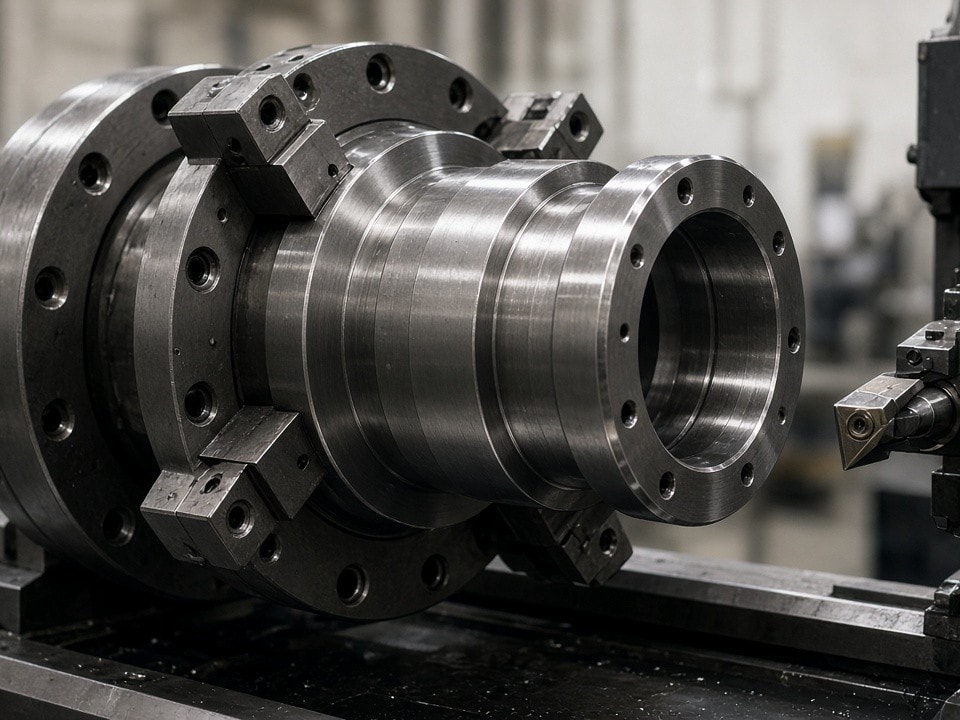
Inconel 625 & 718 Machining for GCC Oilfield Components
Source precision Inconel 625 and 718 machining for sour-service valves and burner nozzles, with material traceability, CMM inspection and GCC delivery.
View details →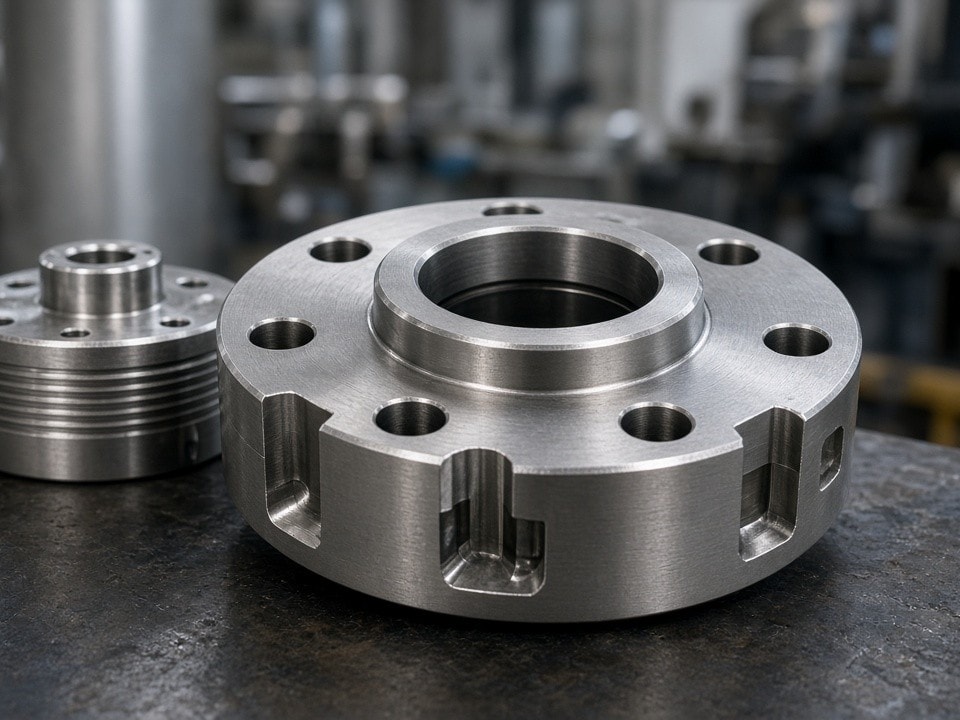
Monel & Hastelloy Machining for GCC Industrial Applications
Source precision Monel 400, Monel K500 and Hastelloy C276 components for GCC energy and marine projects, with machining, inspection and traceability.
View details →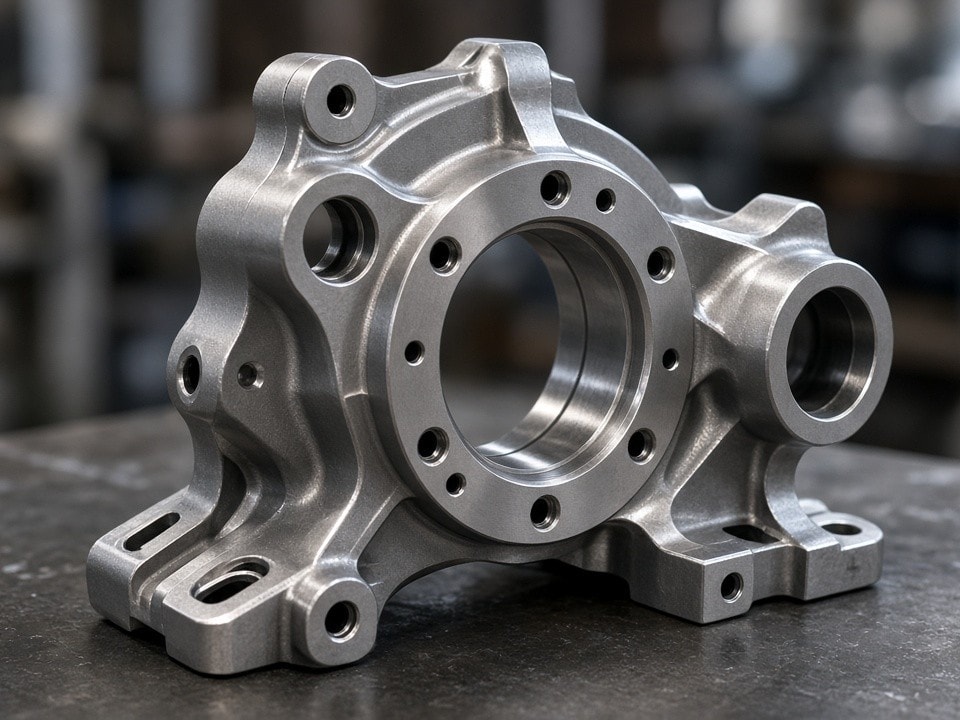
Titanium Grade 2 & Grade 5 Precision Machining for GCC Industry
PartsMake provides expert CNC machining for Titanium Grade 2 and Grade 5 components. Specialized solutions for high-salinity and high-heat environments.
View details →