
Materials for chloride-rich service
Corrosion-Resistant Steels
PartsMake supplies and machines stainless steels selected for demanding marine, offshore and desalination environments across the GCC. From 316L and 904L to duplex 2205 and super duplex 2507, we support component requirements shaped by chloride exposure, temperature, pressure and service conditions.
Material selection
Compare corrosion-resistant stainless grades
The right alloy depends on the complete operating envelope—not chloride level alone. PREN values below are indicative ranges for comparison; confirm the actual chemistry from the material certificate and assess it against the applicable design specification.
Austenitic
316L
Indicative PREN: approximately 23–28
A low-carbon general-purpose grade for many process and fabricated parts. It can be unsuitable for prolonged warm seawater exposure or tight, stagnant crevices without a careful service assessment.
Consider for: general industrial assemblies, housings and lower-risk chloride service.
Austenitic
904L
Indicative PREN: approximately 34–36
A highly alloyed austenitic stainless steel with elevated nickel, molybdenum and copper. It may suit more aggressive acid and chloride conditions, subject to the specific process chemistry and design basis.
Consider for: selected chemical processing and corrosion-resistant equipment.
Duplex
2205
Indicative PREN: approximately 35–38
A duplex microstructure combines useful strength with improved resistance to chloride pitting and stress corrosion cracking compared with common austenitic grades in many applications.
Consider for: offshore equipment, pressure-containing parts and seawater-related systems.
Super duplex
2507
Indicative PREN: 40 or higher
A high-alloy duplex option for demanding chloride service where strength and localized corrosion resistance are important. Component design, fabrication quality and operating conditions remain critical.
Consider for: seawater systems, offshore equipment and desalination duties.
Understanding PREN
A commonly used comparison is PREN = %Cr + 3.3 × %Mo + 16 × %N. Some specifications use a modified expression for alloys containing tungsten. PREN is a compositional screening value—not a guarantee of performance or a substitute for corrosion testing, fabrication controls and engineering review.
Manufacturing controls
Protect the alloy through machining and heat treatment
A corrosion-resistant grade can lose performance through unsuitable tooling, contamination or uncontrolled thermal exposure. PartsMake aligns processing with the material grade, drawing and agreed project requirements.
- Control heat and work hardening. Use suitable sharp tooling, stable feeds and speeds, and avoid unnecessary dwell or rubbing. Duplex alloys require particular attention to cutting forces and heat build-up.
- Prevent cross-contamination. Keep stainless work separate from carbon-steel debris; use clean fixtures, suitable tooling and controlled coolant practices. Remove embedded iron and machining residues as required by the finishing specification.
- Manage thermal exposure. Avoid uncontrolled heating and slow cooling that may promote harmful phases or reduce corrosion resistance, especially in duplex grades. Follow the material producer’s guidance and applicable fabrication procedure.
- Specify treatment by grade and condition. Where solution annealing or other heat treatment is required, set the temperature, hold time and cooling method to the approved material specification and qualified procedure—not a one-size-fits-all cycle.
Avoiding intergranular corrosion
316L’s low carbon content helps reduce sensitisation risk, while 904L and duplex grades have their own processing considerations. The finished component’s resistance depends on its actual composition, thermal history, weld procedure, surface condition and service environment.
For austenitic grades
Limit uncontrolled exposure in sensitising temperature ranges and use qualified procedures where welding or heat treatment is involved. Specify testing where required by the governing standard or purchase order.
For duplex grades
Control heat input and interpass temperature during fabrication, and avoid extended thermal exposure that can unbalance the microstructure or form detrimental phases. Validate the fabrication route against the grade specification.
For finished surfaces
Define cleaning, pickling or passivation requirements where applicable. Remove heat tint and surface contamination in accordance with the approved finishing procedure and service needs.
Regional applications
Specified for offshore and desalination duty
PartsMake supports regional contractors and system integrators with machined and fabricated components for demanding service in the Gulf and wider Middle East.
Offshore drilling and flow control
Duplex and super duplex parts can be assessed for seawater-exposed assemblies, valve components, pump parts and other offshore equipment. Material selection should account for pressure, temperature, crevices, sour-service requirements and the project’s governing standards.
Regional delivery: Support for project supply to industrial and offshore service corridors including Dammam, Jubail, Abu Dhabi and Dubai.
Seawater reverse osmosis systems
High-pressure RO equipment and seawater-side components may require alloys selected for chloride concentration, operating temperature, flow conditions and pressure. We support made-to-drawing machined components and fabrication for desalination packages.
Typical requirements: Traceable material, dimensional verification and processing aligned with the system design and purchase specification.
Quality and traceability
Documentation that supports your inspection plan
Regional EPC, MRO and industrial procurement teams can define inspection and documentation requirements at quotation stage. PartsMake provides manufacturing and verification records matched to the agreed scope.
Material records
EN 10204 3.1 material certificates and heat-lot traceability available as specified.
Dimensional inspection
CMM inspection data books and dimensional reports can be coordinated with drawing-critical features.
Material verification
PMI by XRF/OES can be arranged where required by the project inspection and test plan.
Regional logistics
GCC shipping and customs coordination, including project-specific SABER/SASO requirements where applicable.
Engineering support
Need a corrosion-resistant component for GCC service?
Share the drawing, material specification and operating conditions. PartsMake can review the manufacturing scope and documentation requirements for your offshore or desalination project.
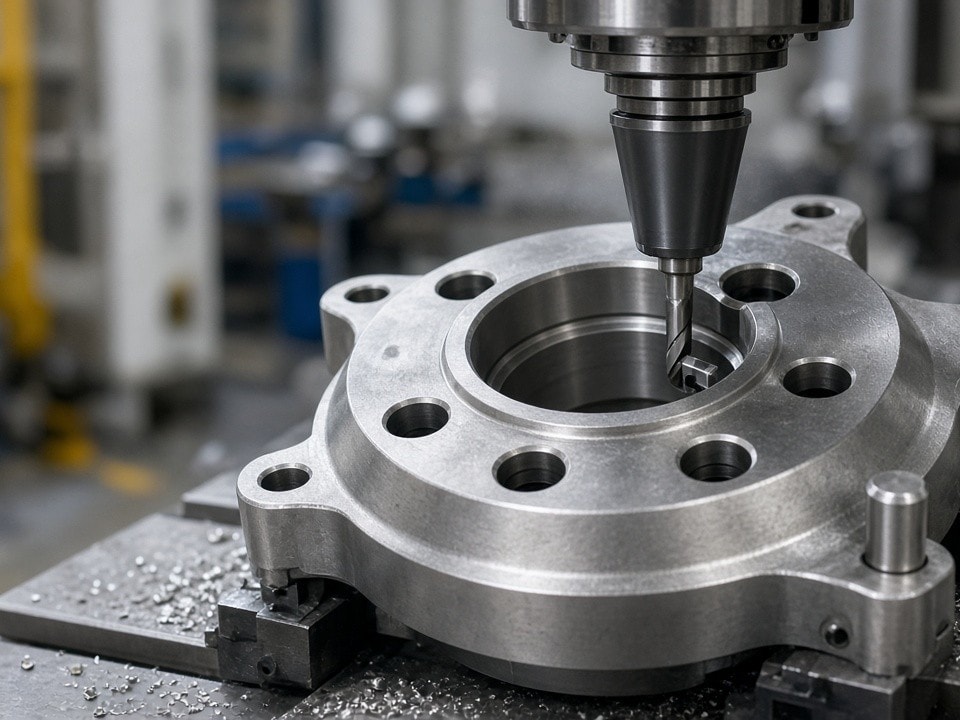
Duplex & Super Duplex Stainless CNC Machining | PartsMake
Source CNC-machined 2205 and 2507 duplex stainless parts for desalination, pumps and oilfield manifolds, with material traceability, CMM reports and GCC delivery.
View details →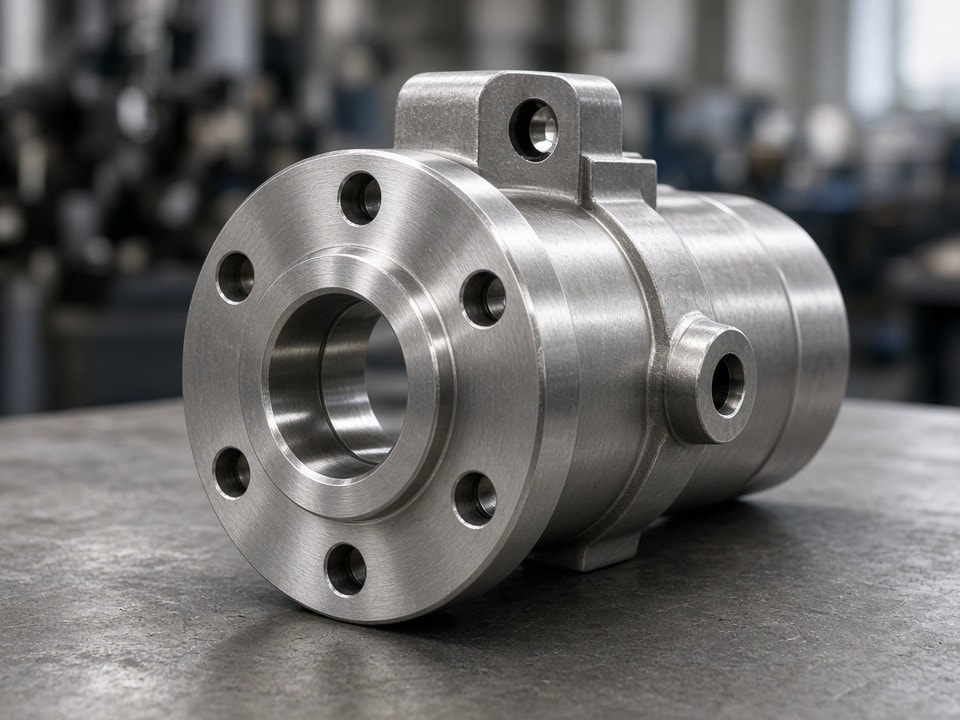
Precision Machining for 316L & 904L Stainless Steel | PartsMake
Expert CNC machining for 316L and 904L stainless steel in the GCC. We provide high-corrosion resistant components with certified 1,000+ hour salt spray protection.
View details →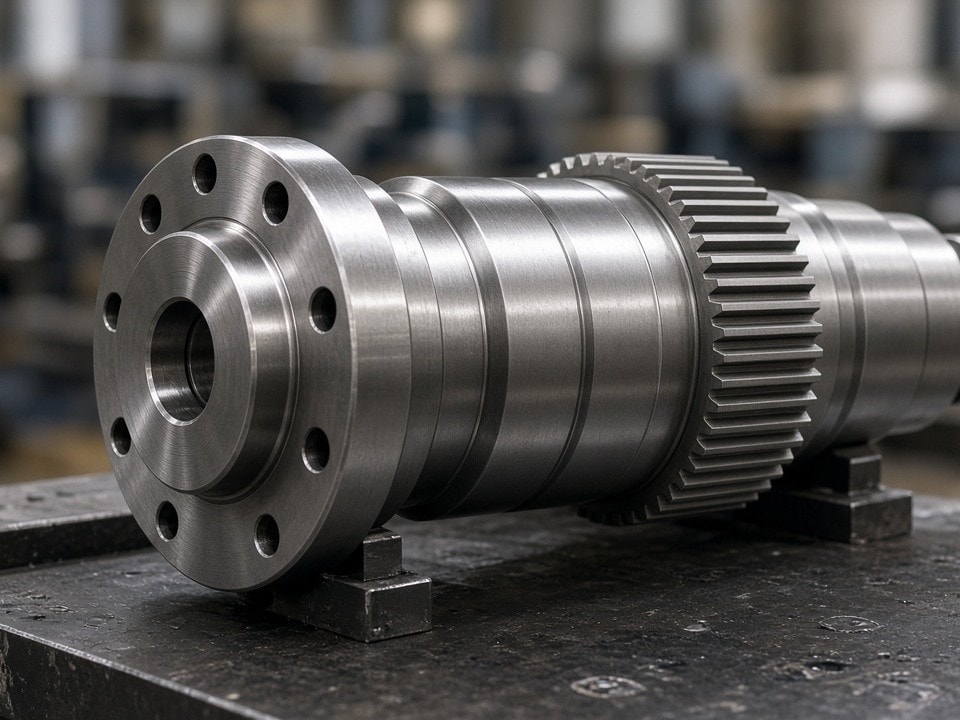
High-Yield Alloy Steels | Heavy CNC Machining for GCC Industry
Source CNC-machined 4140, 4340 and 8620 components for drilling, mining and heavy equipment, with material traceability and inspection for GCC projects.
View details →